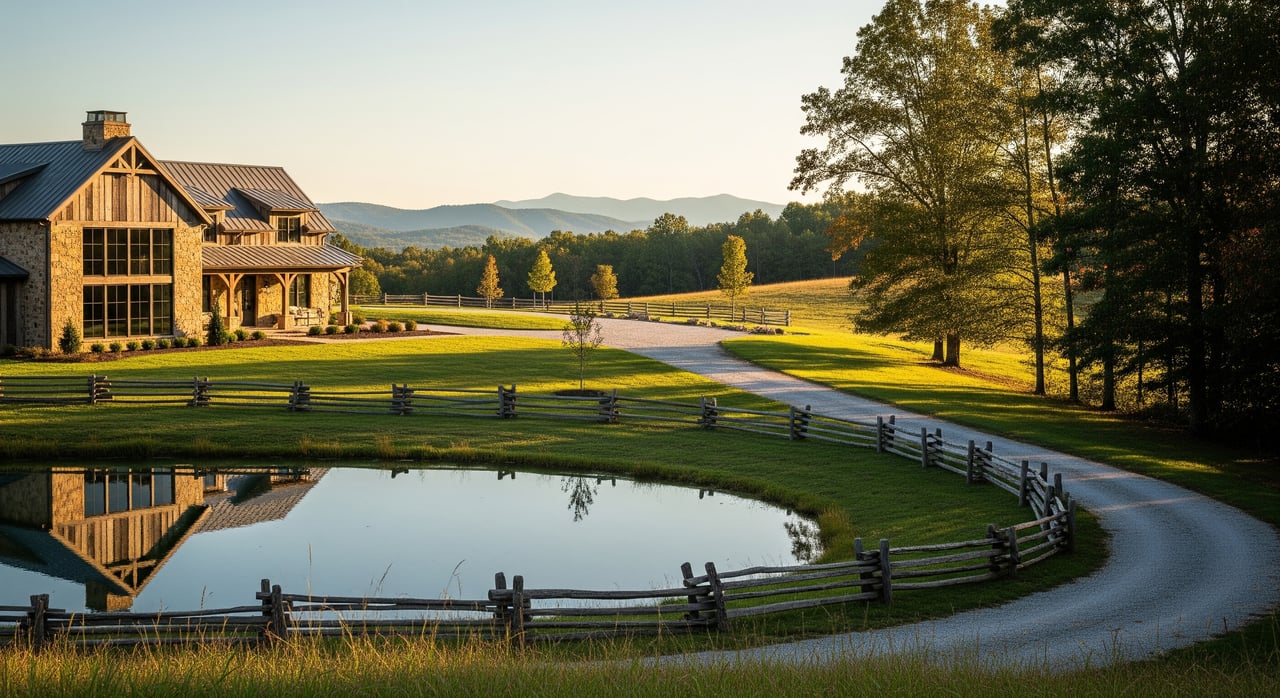
Thinking about buying acreage near Alcoa or elsewhere in Blount County? The privacy, views, and long-term potential are exciting, but every parcel is different. A smart plan helps you avoid surprises with access, septic, utilities, permits, and financing. This guide walks you through the key checks, local resources, and a simple due-diligence path so you can move forward with confidence. Let’s dive in.
Confirm jurisdiction early
Whether a property sits inside Alcoa city limits or in unincorporated Blount County changes who issues permits, which utilities are available, and what rules apply. Start by clarifying the jurisdiction, then contact the appropriate planning, building, and environmental health offices for parcel-specific guidance. Rural parcels vary more than suburban lots, so expect site-specific reviews for septic, wells, access, and fire protection.
Verify access and road rules
You need both legal and physical access. Confirm recorded access to a public road by deeded easement, dedicated right-of-way, or frontage. Then assess physical access for driveway feasibility, slope, construction equipment, and emergency vehicles.
If your driveway connects to a state-maintained route, you may need a permit from the Tennessee Department of Transportation. Review the permit process and standards on the TDOT website. For private roads, obtain or establish a maintenance agreement so everyone understands cost sharing and responsibilities. Many permits require properly sized culverts that you must install and maintain.
Evaluate landform, soils, and water
Topography affects buildable area, driveway grade, septic options, and site costs. Request or commission a topographic map if the property is steep or complex. Steeper slopes can increase foundation and erosion-control costs.
Septic feasibility is a gating item where public sewer is not available. Start with the USDA NRCS Web Soil Survey to review soils, then plan a soil evaluation or percolation test with the county environmental health department. Some sites require engineered septic systems, which cost more and may limit home placement.
In many rural areas, private wells supply water. Well yield and quality vary by location, so consider a yield test and water quality check. For state well and environmental policies, review guidance from the Tennessee Department of Environment and Conservation.
Floodplains and sensitive areas
Check the FEMA Flood Insurance Rate Maps to see if any portion of the parcel lies in a flood zone. Use the FEMA Map Service Center to identify flood risk, which can affect building placement and insurance. Wetlands and small drainage features can be regulated, and riparian setbacks may apply. For potential endangered species or habitat considerations, consult the U.S. Fish & Wildlife Service.
Survey, title, and easements
A current licensed survey is critical for acreage. Lenders often want an ALTA/NSPS standard when financing or building. Learn more about survey standards from the American Land Title Association. Confirm boundary markers and check for encroachments.
Order a full title search and secure title insurance. Review all easements, including access, utilities, and any pipelines or rights-of-way, and understand maintenance obligations. If the parcel was part of a subdivision, read any CC&Rs to confirm what you can build, whether livestock are allowed, and if future lot splits are possible under current rules.
Permits, utilities, and site services
Permits come from the city building department for properties inside Alcoa or the county building and inspections office if outside city limits. Coordinate septic approvals, building permits, and any erosion-control requirements as part of your timeline.
Water availability varies by location, and extending lines can be costly. Electricity is provided by different utilities depending on jurisdiction and service area. TVA serves the region, and local distributors handle connections and extensions. For regional power and planning context, see TVA resources. An example local provider serving many parts of the county is Blount Electric Cooperative. Expect to budget for line or transformer extensions on remote sites.
Broadband options vary by parcel. Areas near towns may have fiber, while fixed wireless, DSL in limited pockets, or satellite can serve remote properties. Confirm availability before you buy if remote work is essential.
Financing acreage in Blount County
Your financing path depends on whether you are buying land only, building a home soon, or purchasing a property with an existing dwelling.
- Home plus land: Conventional mortgages may apply when a habitable home exists or is built with the loan.
- Construction-to-permanent: Wraps construction and long-term financing into one closing for a planned build.
- Raw land loans: Typically shorter terms, higher down payments, and higher rates due to risk.
- USDA Rural Development: Eligible buyers and properties may qualify for rural housing programs. Explore USDA Rural Development options.
- USDA Farm Service Agency: Agricultural loans for qualifying farm and land uses. Review FSA programs.
- Owner financing: Terms are negotiable, which can help when conventional options are limited.
- Local banks and credit unions: Often more flexible with rural properties than national lenders.
Appraisals for acreage can be challenging due to limited comparable sales and site-specific factors like septic feasibility, access, and utility costs. Expect lender conditions such as a current survey, flood determination, evidence of legal access, and possibly environmental screening.
Due-diligence checklist
Use this quick checklist to stay organized.
Before making an offer
- Confirm jurisdiction, zoning, and applicable building rules with Alcoa or Blount County.
- Verify legal access and review any recorded easements.
- Check flood risk on the FEMA Map Service Center.
- Review soils on the NRCS Web Soil Survey and plan a perc test if needed.
- Ask the electric provider about line extension feasibility and costs. For regional context, see TVA information and check with the serving utility such as Blount Electric Cooperative.
- If public water is possible, request maps and hookup estimates.
After going under contract
- Commission an updated boundary or ALTA/NSPS survey and mark corners.
- Complete septic feasibility and percolation testing, and begin well planning if applicable. Review state policies on TDEC’s site.
- Order a title search, purchase owner and lender title insurance, and review all easements and restrictions.
- Conduct environmental screening for wetlands or other constraints, and consult the U.S. Fish & Wildlife Service for species concerns if needed.
- Obtain written estimates for driveway, culvert, utility extensions, site grading, and any engineered septic.
- Verify subdivision potential if you plan future lot splits.
Professionals to have on your team
- Land-oriented real estate agent with Blount County and Alcoa experience.
- Licensed surveyor, ideally ALTA/NSPS capable.
- Septic designer or soil scientist, and a local septic contractor.
- Licensed well driller, and a hydrogeologist for complex sites.
- Civil engineer or site planner for steep or constrained parcels.
- Real estate attorney for complex title or easement issues.
- Local lender experienced with land and construction loans.
- Forester or environmental consultant where relevant.
Ready to walk land? Next steps
If you are serious about acreage, your next move is a focused feasibility review. Start with jurisdiction, legal access, soils and septic, flood status, and utility availability. Then line up a survey, title review, and budget for site work so you can negotiate from a position of strength.
When you are ready, partner with a local team that handles acreage purchases every week and can coordinate the right pros, testing, and timelines. Connect with The Fowler Group to schedule a land tour, map out your due diligence, and move from interest to ownership with confidence.
FAQs
What should I check first when buying Blount County acreage?
- Confirm jurisdiction, legal road access, septic feasibility, flood status, and utility availability since these determine what you can build and your total project budget.
How do driveway permits work on Tennessee state routes?
- If your driveway connects to a state-maintained highway, you may need a TDOT access permit, so review standards and apply through the TDOT website.
How do I verify septic system approval on rural land?
- Start with the NRCS Web Soil Survey, then schedule a soil evaluation or perc test with county environmental health to confirm system type and placement.
Where can I check if a parcel is in a flood zone?
- Use the FEMA Map Service Center to look up flood zones, which can affect building locations and insurance requirements.
Who provides electricity near Alcoa, and what should I ask?
- TVA serves the region through local distributors such as Blount Electric Cooperative; ask about line extension feasibility, transformer placement, costs, and timelines.
What financing options exist for land-only purchases?
- Consider raw land loans, local bank options, owner financing, or USDA programs for qualifying uses such as USDA Rural Development housing or USDA FSA agricultural lending.