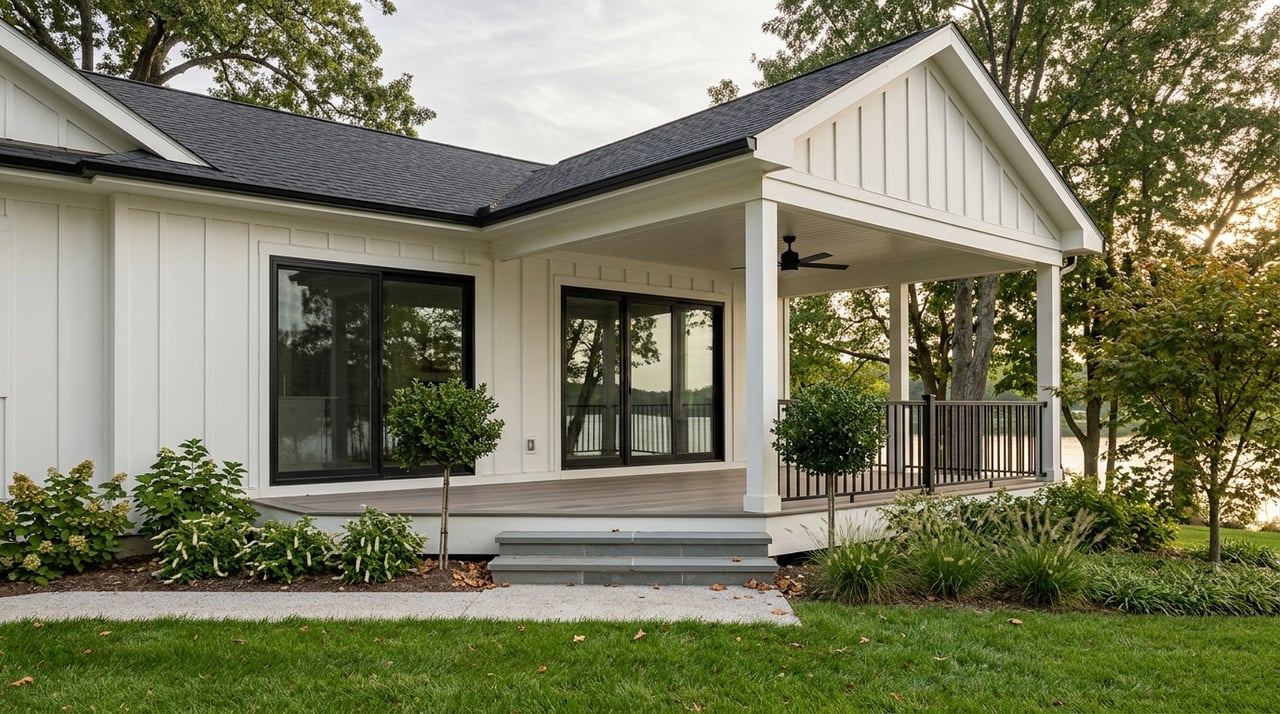
Dreaming about mornings on the water in Louisville, Tennessee? A lakefront vacation home can give you the weekend escape, second-home lifestyle, or rental potential you want, but it also comes with rules and costs that are easy to miss if you only focus on the view. If you are thinking about buying on Fort Loudoun Reservoir, this guide will help you understand pricing, permits, rental questions, and smart due diligence so you can move forward with confidence. Let’s dive in.
Louisville Lakefront Market Snapshot
Louisville’s lakefront homes are tied to Fort Loudoun Reservoir, a TVA-managed reservoir that stretches across Blount, Knox, and Loudon counties. TVA describes the reservoir as a major recreation destination known for boating, bass fishing, and birdwatching, with 14,600 acres of water surface and 379 miles of shoreline.
That setting is a big part of the appeal, but inventory is limited. Current market snapshots show about 13 waterfront homes for sale in Louisville, with a median listing price around $1.61 million and a median market time of 68 days. Active examples have ranged from a lakefront lot around $799,900 to homes and homesites priced from roughly $850,000 to $1.75 million.
For you as a buyer, that means two things. First, entry into the Louisville lakefront market often requires a higher budget than a typical primary home purchase in the area. Second, the best-positioned properties can still attract fast interest because there simply are not many of them available at one time.
Why Buyers Choose Louisville
Louisville gives you a quieter East Tennessee lake setting while still keeping you close to the broader Blount County and Knoxville area. For many second-home buyers, that mix of recreation and convenience is the main draw.
Fort Loudoun Reservoir also supports the kind of use many vacation-home buyers want most. TVA notes that seasonal water levels are typically held around 807 feet in winter and 812 to 813 feet in summer, which matters when you are evaluating boating access, dock use, and how the shoreline feels during different parts of the year.
Budget Beyond the Purchase Price
When you buy a lakefront vacation home, the purchase price is only the starting point. Your true budget should also include ongoing ownership costs that can be higher than what you might expect with a non-waterfront property.
Common costs to plan for include:
- Mortgage payment
- Property taxes
- Homeowners insurance
- Possible flood insurance
- Shoreline upkeep
- Dock repair or maintenance
- HOA or club dues, if applicable
- Utility costs for a second home
Flood insurance deserves special attention. FEMA states that homes in high-risk flood areas with government-backed mortgages must carry flood insurance, and lenders can also require coverage outside high-risk zones. Before you make an offer, it is smart to understand whether the home sits in a flood risk area and what that may mean for your monthly costs.
TVA Rules Can Shape the Property
One of the biggest differences between buying a regular home and buying a Louisville lakefront home is TVA oversight. TVA says it owns land or land rights along most reservoir shoreline, which means the area between the house and the water may come with important limits or usage rules.
That matters if you are assuming a private dock, direct shoreline access, or future improvements are part of the deal. You should verify exactly what rights come with the property before negotiations go too far, especially if you are counting on repairs, dock changes, or expanded water access.
If the property includes shoreline structures or access across TVA land, permit timing and costs matter too. TVA says shoreline construction and alterations require Section 26a approval, permits do not automatically transfer at closing, and new owners must apply within 60 days after closing. The current on-reservoir application fee for docks, boathouses, floating cabins, or a change in ownership of existing permitted facilities is $1,000.
Check the Dock Before You Fall in Love
A dock can be one of the biggest selling points of a lakefront property, but it can also be one of the biggest due diligence items. Before closing, you should request the TVA Section 26a permit from the seller or listing agent and compare it to what is actually built on site.
This review should confirm whether the existing improvements match the permit and whether all key features are included. That can include:
- Dock
- Boat ramp
- Seawall
- Shoreline stairs or access points
- Utilities serving shoreline improvements
- Any other structures near the water
TVA rules for water-use facilities are specific. Docks, piers, and boathouses cannot contain living space or sleeping areas. Toilets and sinks are not allowed on water-use facilities, covered docks and boathouses cannot exceed one story, and second stories are limited to open decks with railings rather than enclosed or roofed rooms.
Spacing and size rules matter too. TVA notes that standard roof overhangs up to 24 inches are generally excluded from footprint calculations, longer overhangs may count, and docks in subdivisions recorded after November 1, 1999 must generally be at least 50 feet from neighboring docks. In narrow or crowded shoreline areas, TVA may require a community facility or a dock placement away from the property’s direct frontage.
The takeaway is simple: a home that looks dock-ready may not function the way you expect without redesign, permit updates, or a different moorage plan.
Can You Use It as a Short-Term Rental?
If you want your Louisville vacation home to double as a short-term rental, do not assume that use is allowed just because the property is residential. In Tennessee, short-term rental use can be affected by state law, local permitting, and private neighborhood restrictions.
The Tennessee Short-Term Rental Unit Act allows local governments to regulate short-term rentals through a reasonable permitting process. It also makes clear that HOA, condo, co-op, and similar governing documents may prohibit or restrict short-term rental use.
That means your review needs to go beyond the property itself. You should confirm the current rules with the Town of Louisville’s Building & Codes department and carefully review any HOA documents or recorded covenants before you rely on projected rental income.
A recent Tennessee Supreme Court decision also shows why exact wording matters. In that case, the court found that a residential-use covenant by itself did not automatically ban short-term rentals, but a later amendment requiring a 30-day minimum lease term did. For you as a buyer, that is a reminder to read the actual language, not just the summary.
Tax Questions to Review Early
If rental income is part of your plan, tax diligence matters from day one. Tennessee states that local occupancy tax on residential rentals of less than 30 days is generally remitted by short-term rental marketplaces to the Department of Revenue, while hotels and bed-and-breakfasts continue remitting locally.
That does not replace the need to verify how your property will be operated and what records you should keep. If you are underwriting the home based on rental use, it is wise to confirm the local operating framework before you close so your numbers reflect the real rules.
Seasonality Affects Enjoyment and Income
Louisville lakefront ownership is seasonal in practical ways, even though East Tennessee is a year-round destination. NOAA climate normals for nearby Knoxville show average highs climbing from about 68 degrees in May to roughly 85 to 88 degrees from June through August, while average winter lows fall around 30 to 33 degrees.
For many buyers, that points to late spring through early fall as the strongest window for boating, waterfront entertaining, and personal enjoyment. If you are also thinking about short-term rental use, that same stretch is likely the easiest period to market.
When you run the numbers, build your estimate around seasonal demand rather than assuming the same occupancy and usage every month. That gives you a more realistic picture of carrying costs and expected enjoyment.
How to Make a Strong Offer
Because Louisville waterfront inventory is limited, your offer strategy matters. A great lake property can still move quickly, even when the broader market feels balanced.
A competitive approach often includes:
- Mortgage preapproval before touring seriously
- A clear budget that includes dock, insurance, and permit costs
- Fast review of HOA or covenant documents
- Same-day review of TVA permit status
- Early flood risk review
- Early confirmation of short-term rental eligibility if income matters to you
Speed helps, but certainty matters just as much. A well-prepared offer is not only about price. It is also about reducing surprises during due diligence so you can act decisively on the right property.
What Smart Buyers Review Before Closing
Lakefront homes deserve a more detailed checklist than a typical residential purchase. If you want to protect both lifestyle and resale value, focus on the details that affect actual use of the property.
Here is a practical pre-closing checklist:
- Confirm property boundaries and any land or land-right issues near the shoreline
- Request the TVA Section 26a permit and compare it to existing improvements
- Verify whether permit transfer or new-owner application deadlines apply
- Review flood risk and insurance requirements with your lender and insurer
- Read HOA documents, restrictive covenants, and lease rules in full
- Confirm short-term rental requirements with the Town of Louisville
- Estimate dock, shoreline, and maintenance costs realistically
- Underwrite seasonal use and possible rental demand conservatively
These steps can help you avoid the most common lakefront mistakes, especially buying based on assumptions about docks, rentals, or access that later turn out to be limited.
Why Local Guidance Matters
Buying a lakefront vacation home in Louisville is not just about finding a beautiful house. It is about understanding how the lot, shoreline, permits, and local rules work together.
That is where local market knowledge can make a real difference. When you have a team that understands Blount County, Louisville waterfront inventory, and the moving parts behind a lakefront purchase, you are in a much better position to buy with clarity instead of guesswork.
If you are exploring lakefront homes in Louisville or anywhere in Blount County, The Fowler Group can help you evaluate the market, move quickly on the right property, and navigate the details with a clear plan.
FAQs
What is the current price range for lakefront homes in Louisville, TN?
- Current waterfront listings in Louisville have included examples from about $799,900 for a lakefront lot up to roughly $1.75 million for lots and homes, with a median listing price around $1.61 million.
What should you verify about a Louisville lakefront dock before buying?
- You should request the TVA Section 26a permit, compare it to the existing dock and shoreline improvements, and confirm whether any ownership-transfer application or permit updates will be required within 60 days after closing.
Can you use a Louisville, TN lakefront vacation home as a short-term rental?
- Possibly, but you need to verify the Town of Louisville’s current short-term rental process and review any HOA or recorded covenant restrictions before counting on rental income.
Do Louisville waterfront buyers need to think about flood insurance?
- Yes. FEMA states that homes in high-risk flood areas with government-backed mortgages must carry flood insurance, and lenders may also require flood coverage outside high-risk zones.
Why do TVA shoreline rules matter when buying on Fort Loudoun Reservoir?
- TVA says it owns land or land rights along most reservoir shoreline and requires approval for shoreline construction or alterations, so those rules can affect docks, access, repairs, and future plans for the property.